Top 10 Vitamin Deficiencies and How to Fix Them Naturally

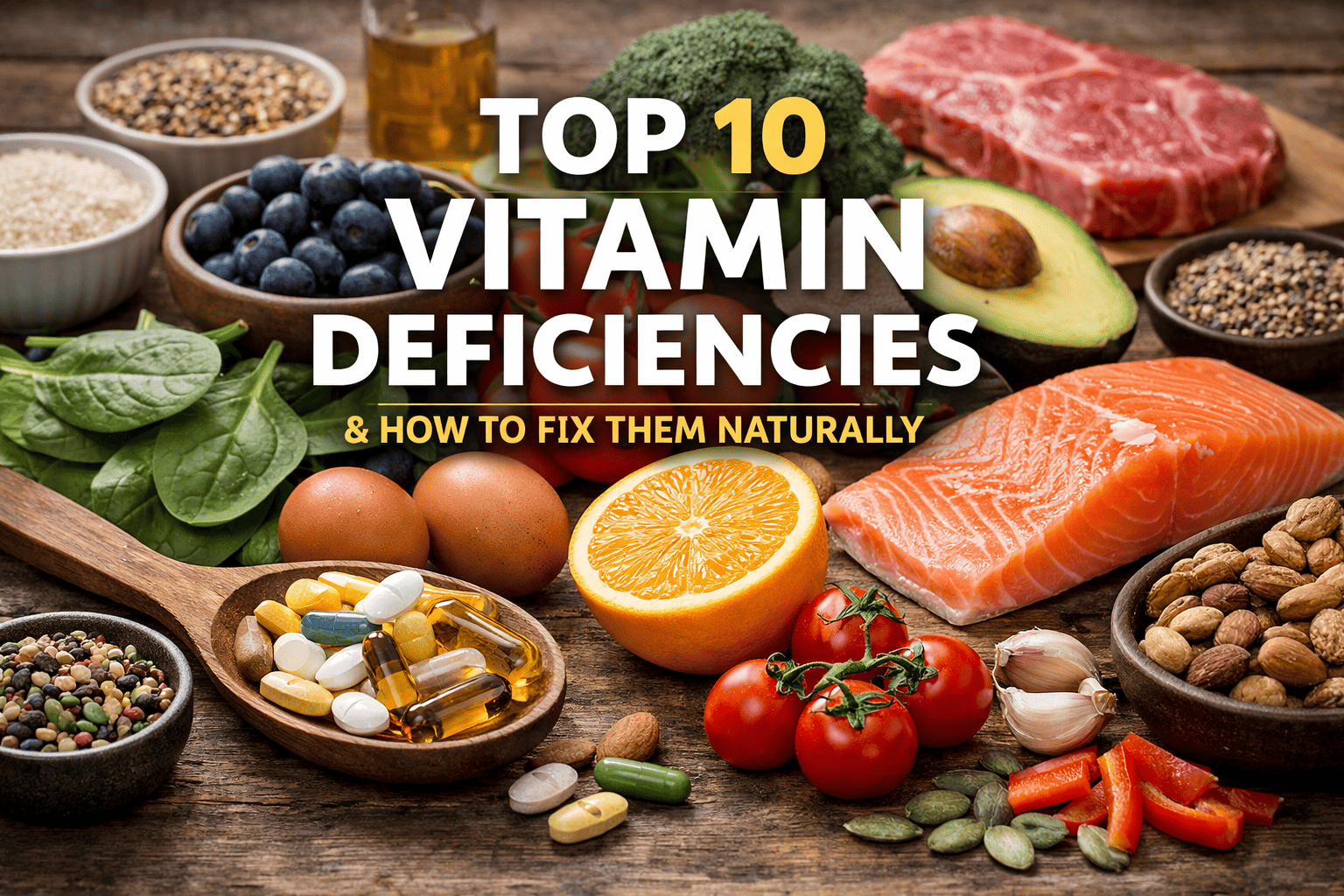
Vitamins are essential micronutrients that support nearly every function in the human body—from boosting immunity and maintaining energy levels to supporting bone health and brain function. Unfortunately, vitamin deficiencies are more common than many people realize. Poor diet, stress, digestive issues, and lifestyle habits can all contribute to nutrient gaps.
The good news? Most vitamin deficiencies can be corrected naturally through the right foods and lifestyle adjustments.
In this article, we’ll explore the top 10 vitamin deficiencies, their symptoms, causes, and natural ways to fix them.
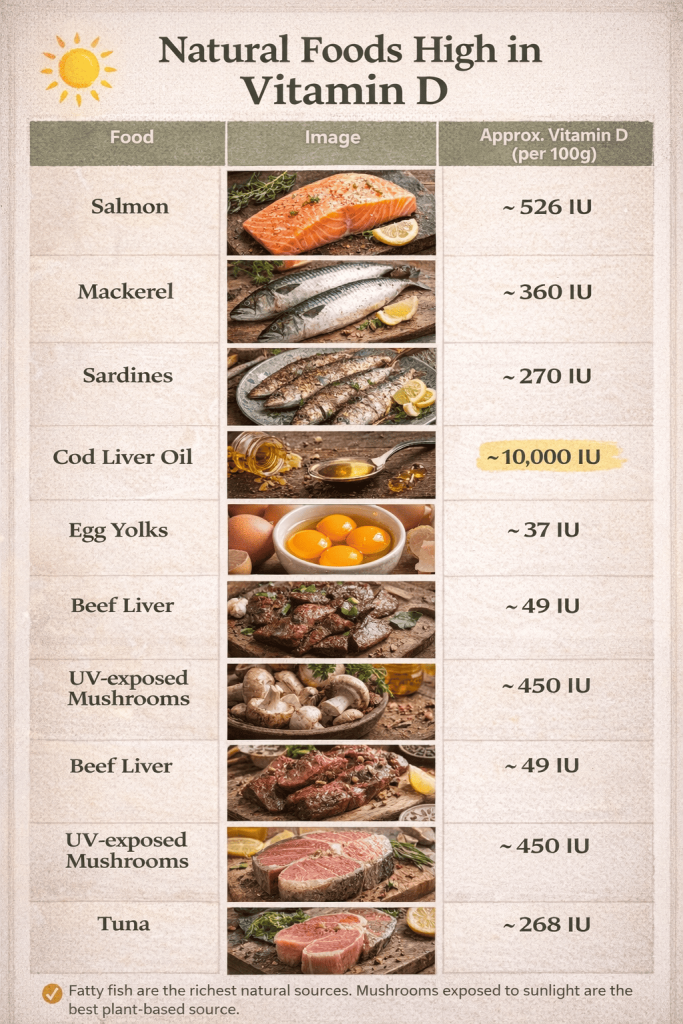
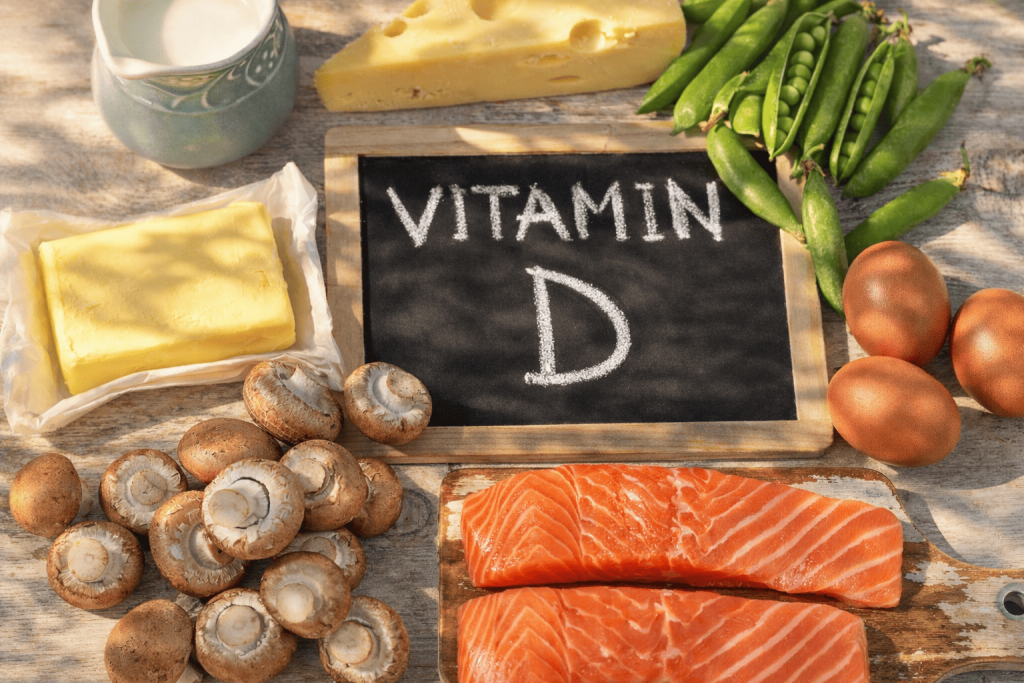
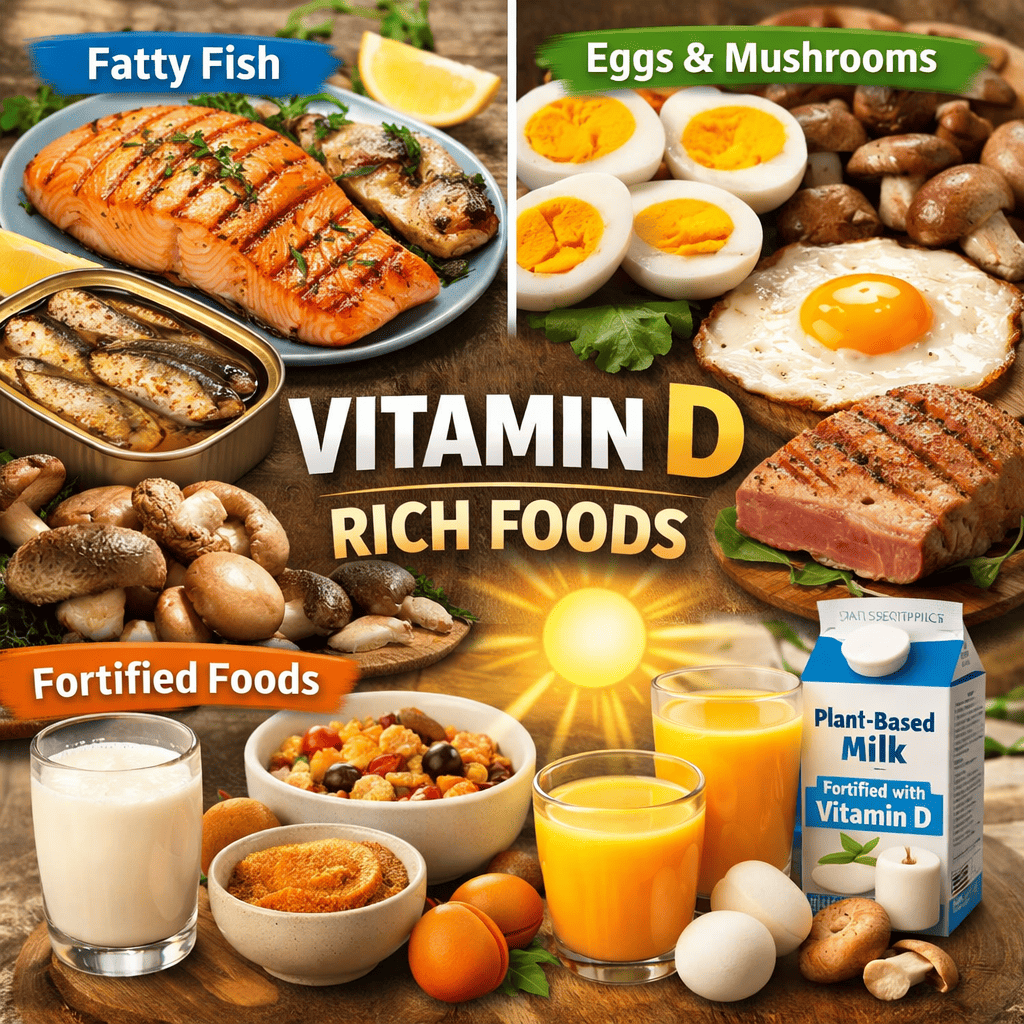
Vitamin D is often called the “sunshine vitamin” because the body produces it when skin is exposed to sunlight. Despite this, vitamin D deficiency is one of the most common nutrient deficiencies worldwide.
Include mushrooms exposed to sunlight
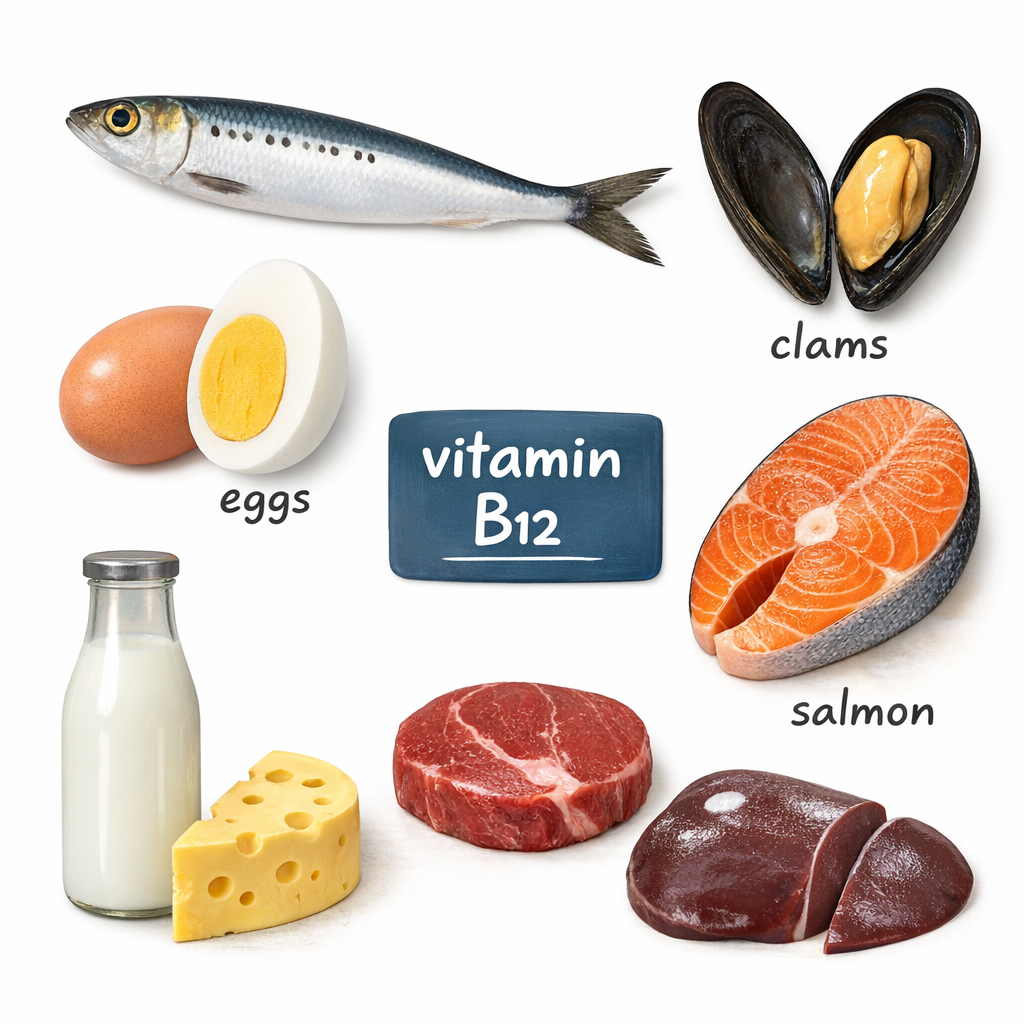
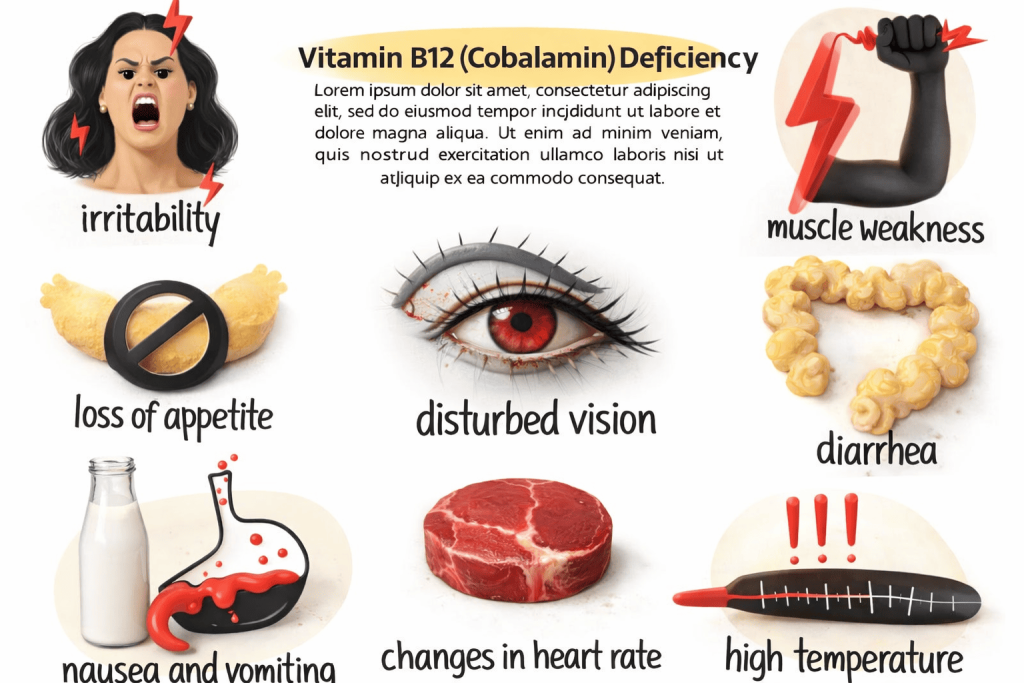
Vitamin B12 is crucial for nerve function, red blood cell production, and DNA synthesis. It’s particularly common among vegetarians, vegans, and older adults.
Vegans can choose fortified plant-based milk and cereals
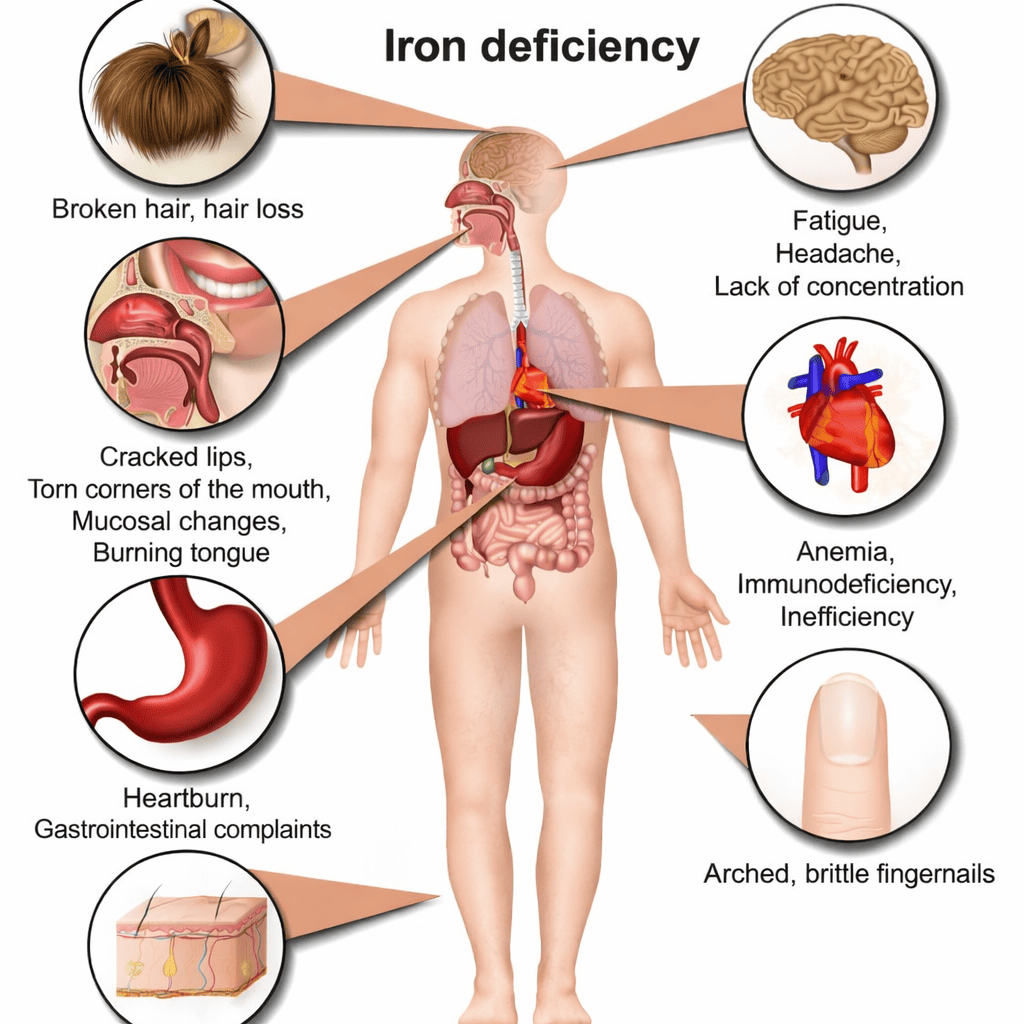
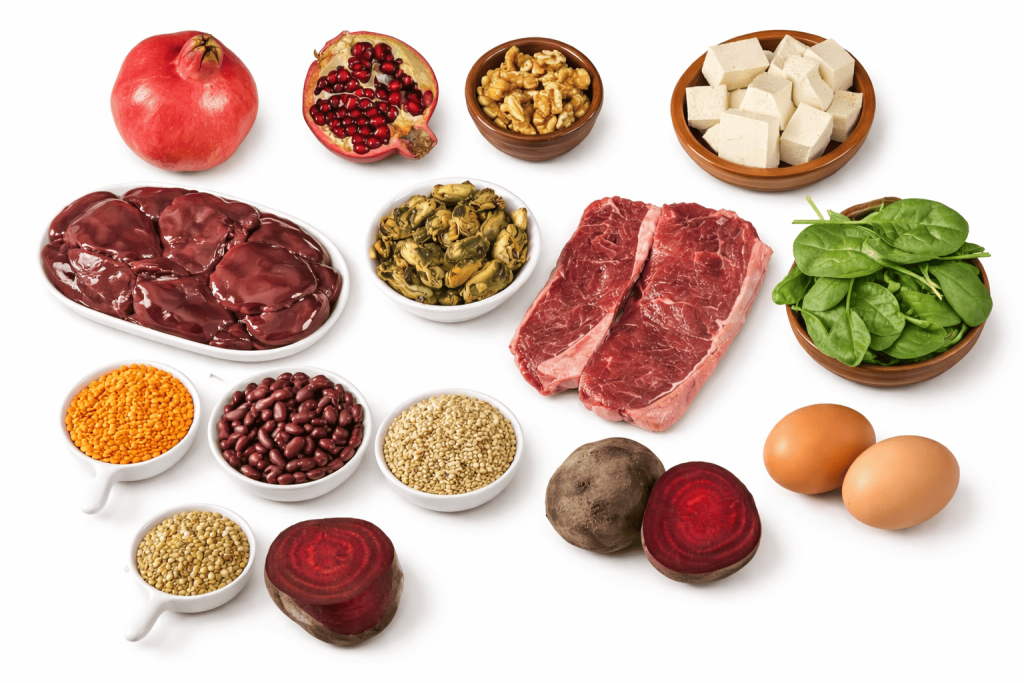
Iron deficiency is the most common nutritional deficiency globally, particularly affecting women and children.
Pair iron foods with vitamin C (oranges, lemon, tomatoes) to improve absorption.
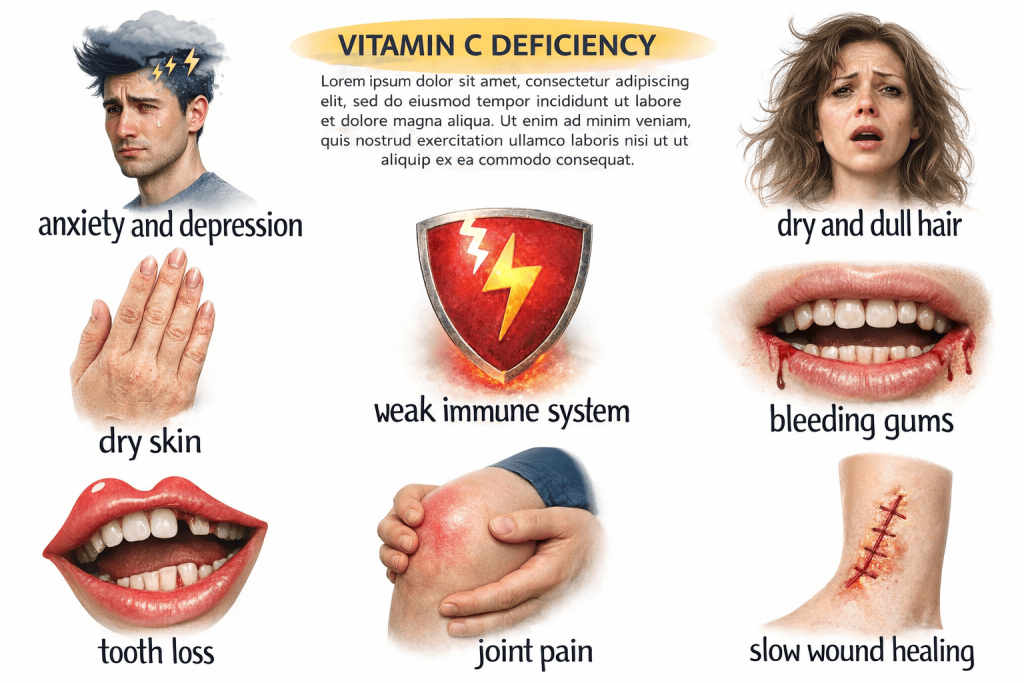
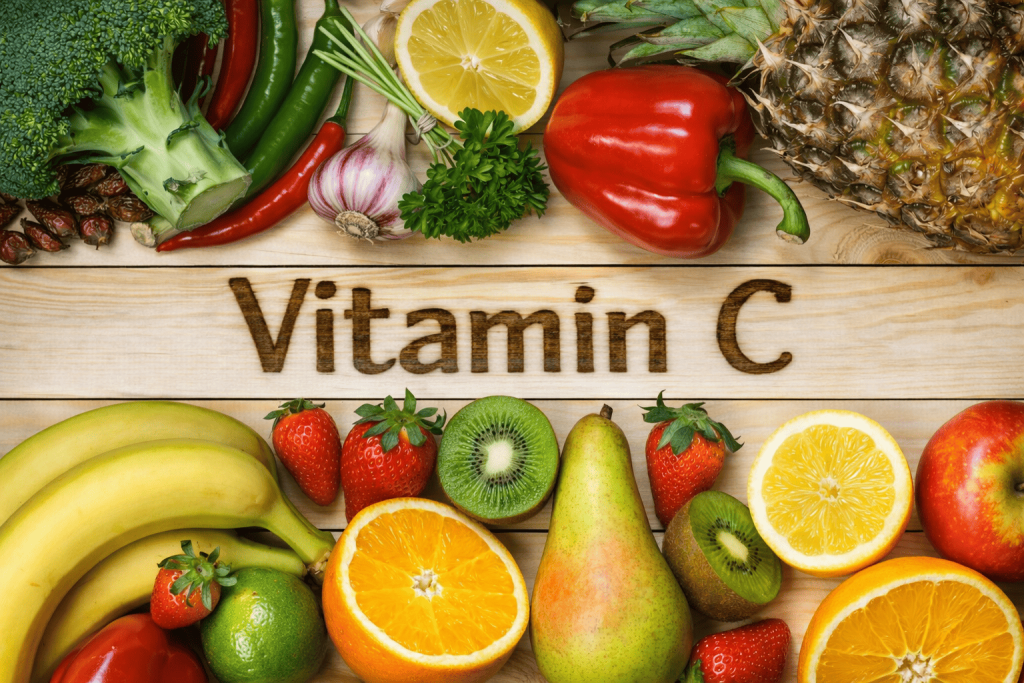
Vitamin C is a powerful antioxidant that strengthens the immune system and supports skin health.
Eat vitamin C rich foods such as:
Fresh fruits and vegetables are the best natural sources.
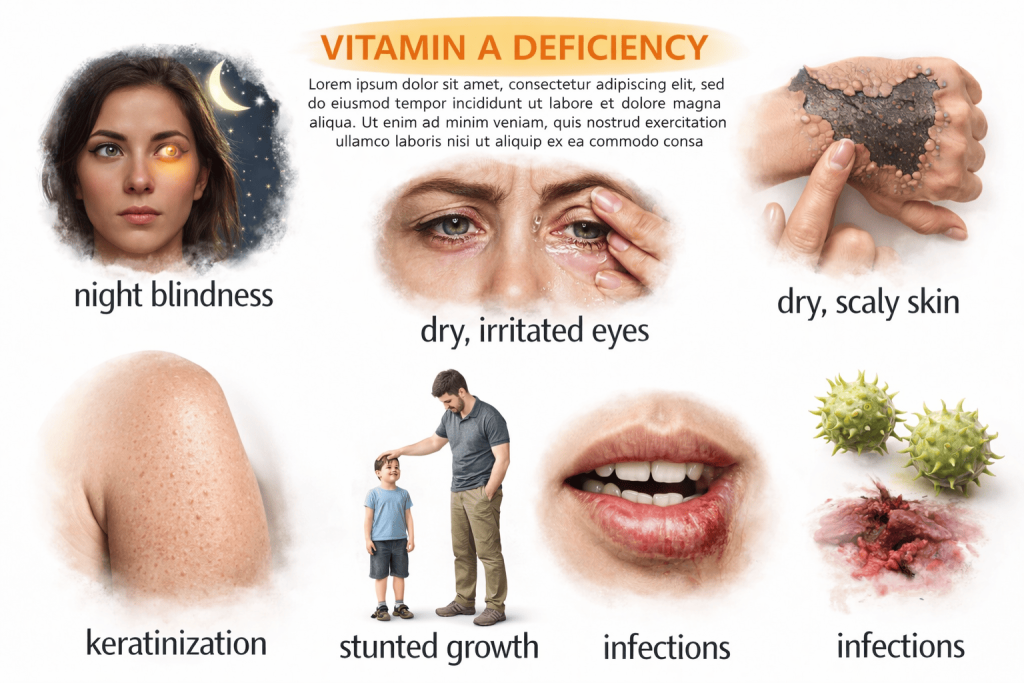
Vitamin A is essential for vision, immune health, and skin repair.
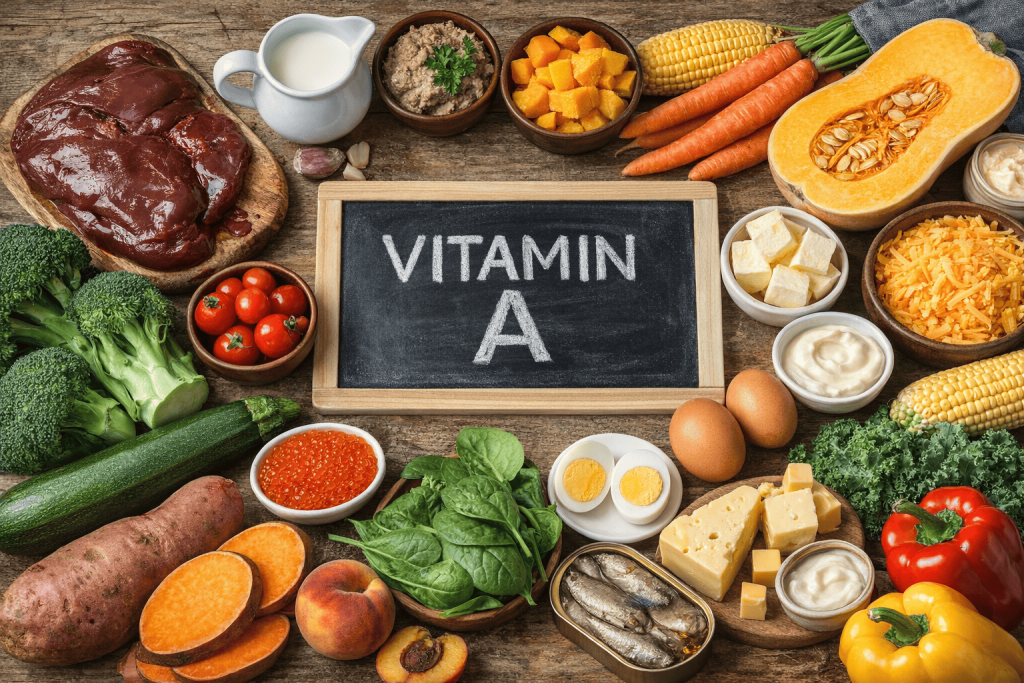
Add these foods to your diet:
These foods contain beta-carotene, which the body converts into vitamin A.
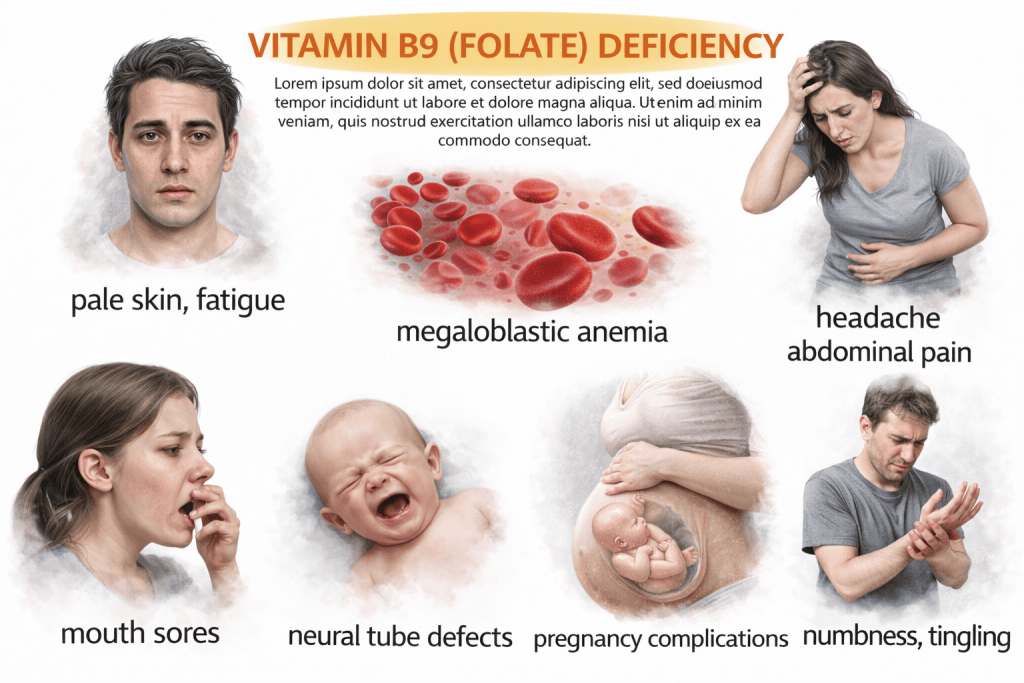
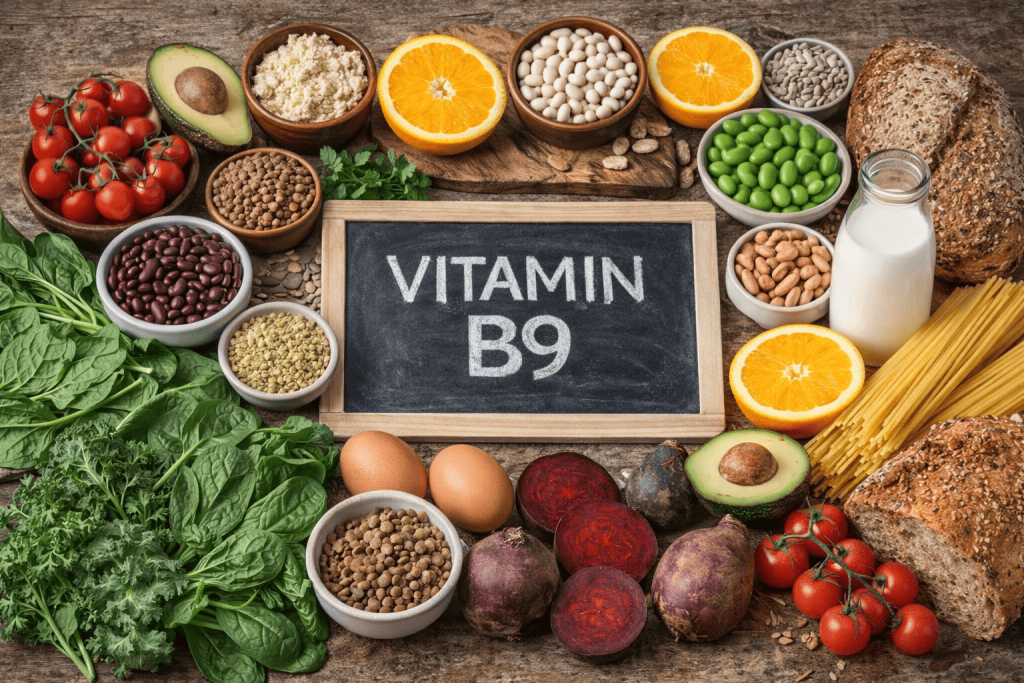
Folate is essential for DNA synthesis and red blood cell production. It is especially important during pregnancy.
Eat foods rich in folate:
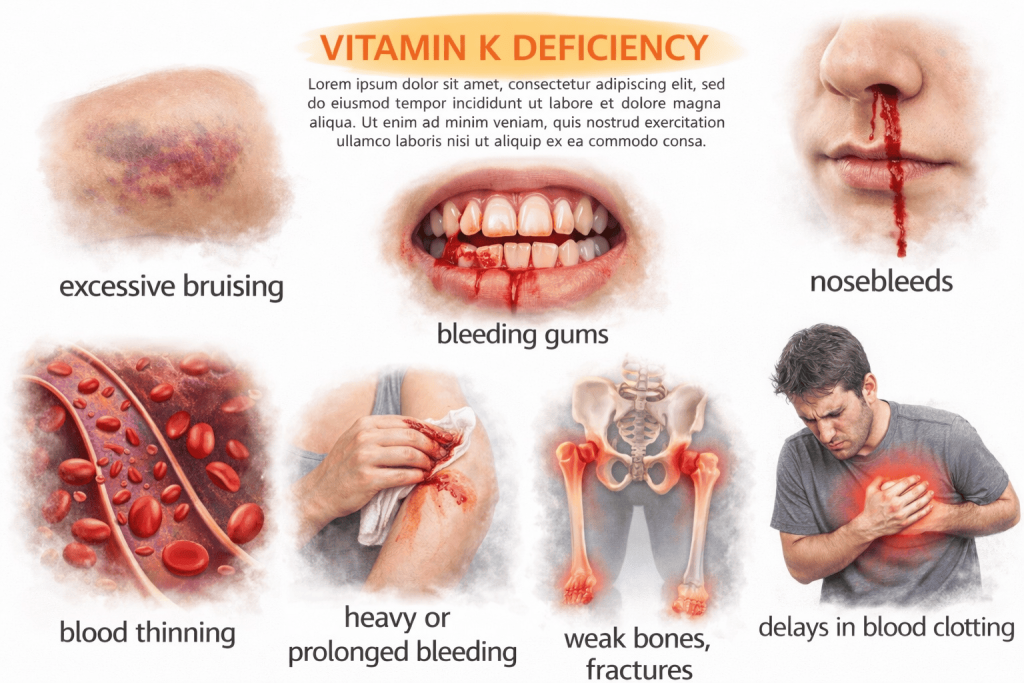
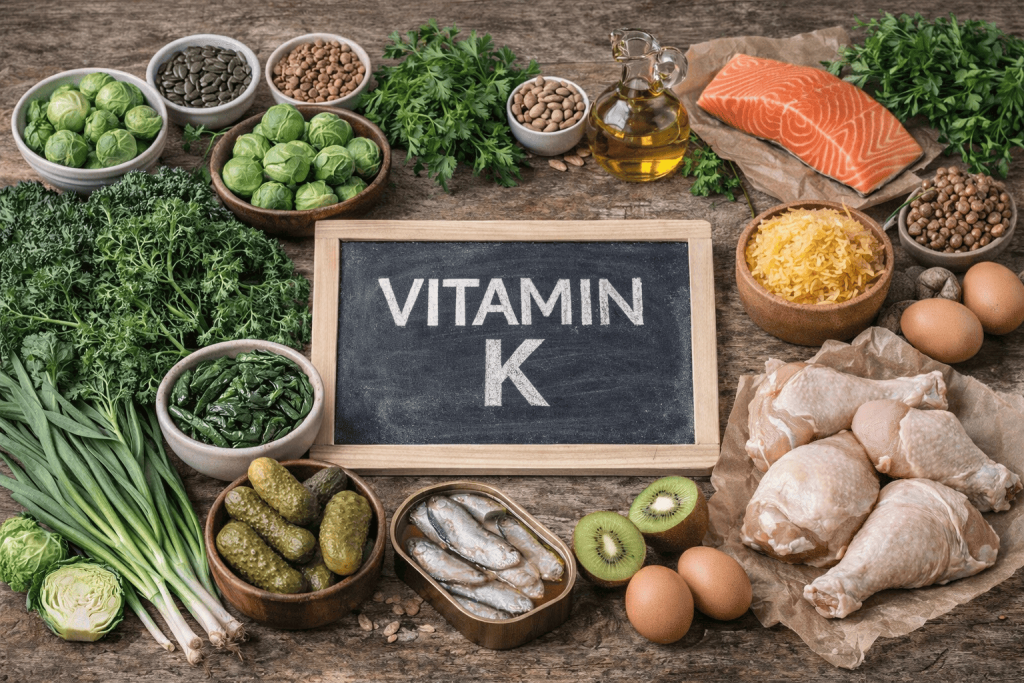
Vitamin K is crucial for blood clotting and bone health.
Include vitamin K rich foods:
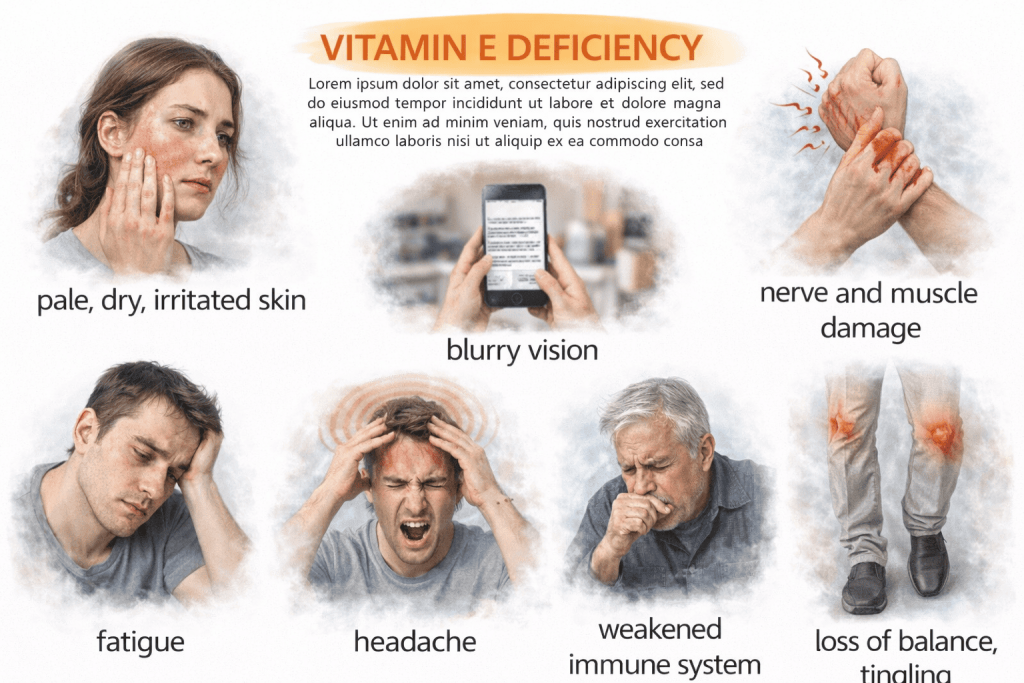
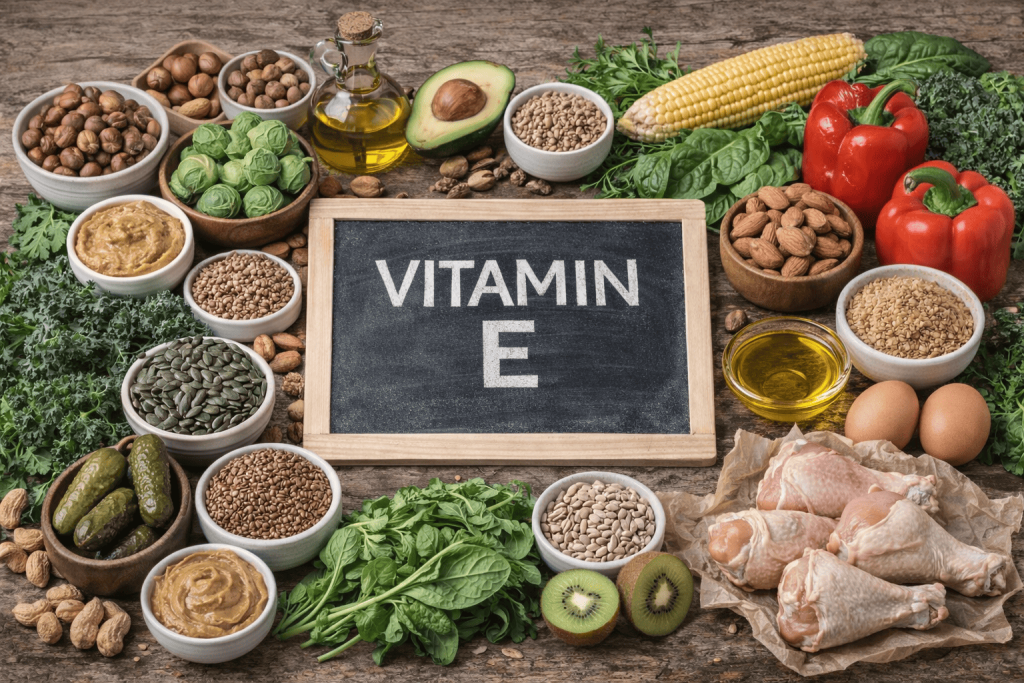
Vitamin E acts as a powerful antioxidant, protecting cells from damage.
Eat vitamin E rich foods:
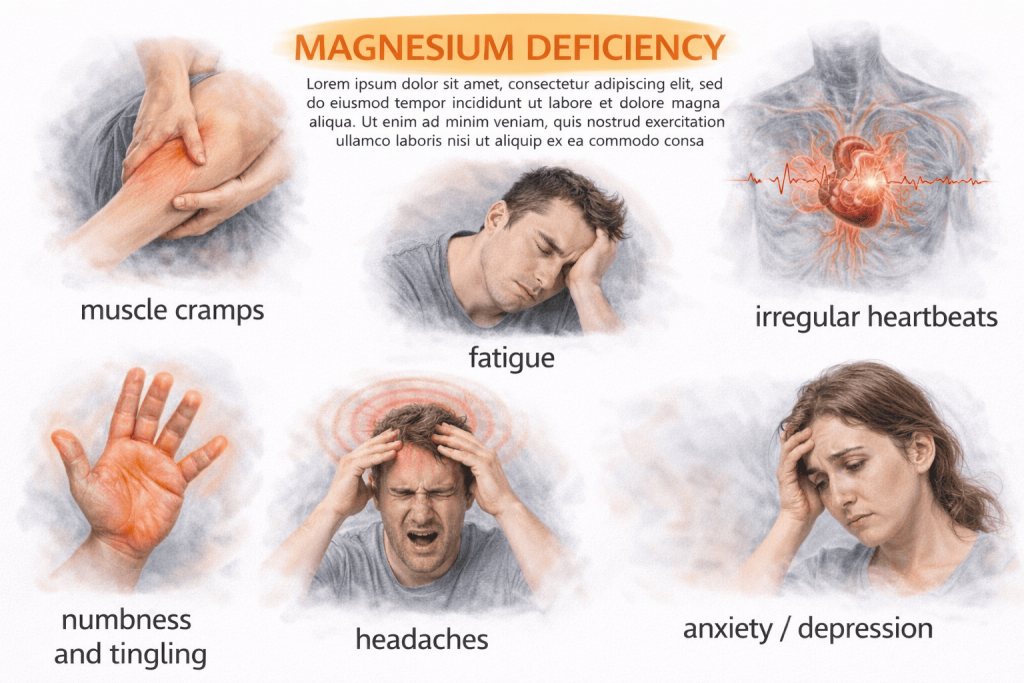
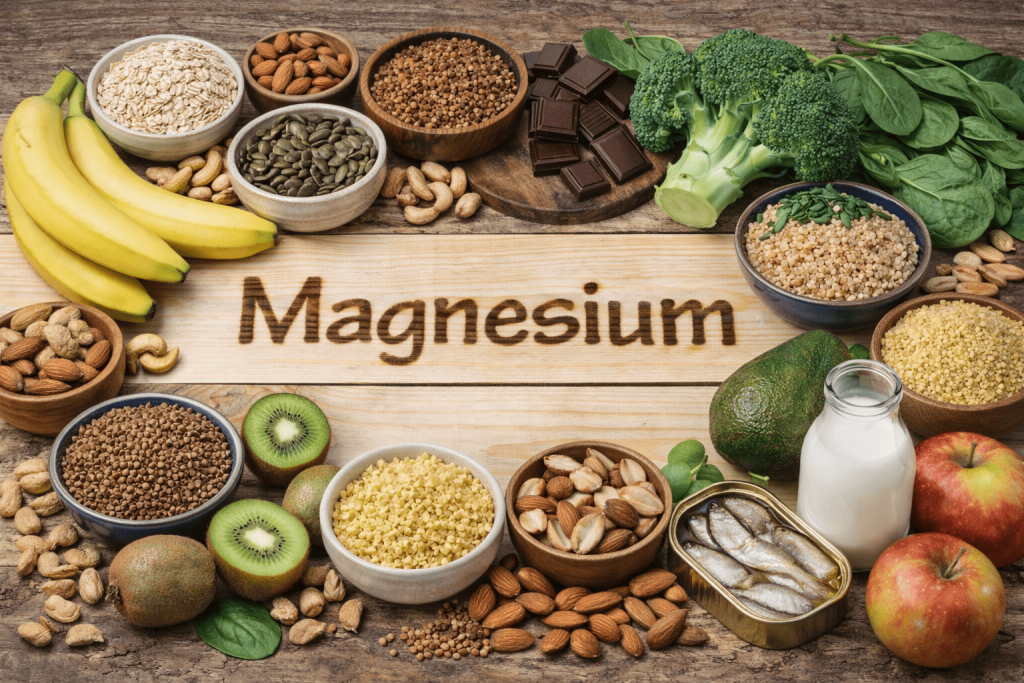
Magnesium supports over 300 biochemical reactions in the body including muscle and nerve function.
Eat magnesium rich foods:
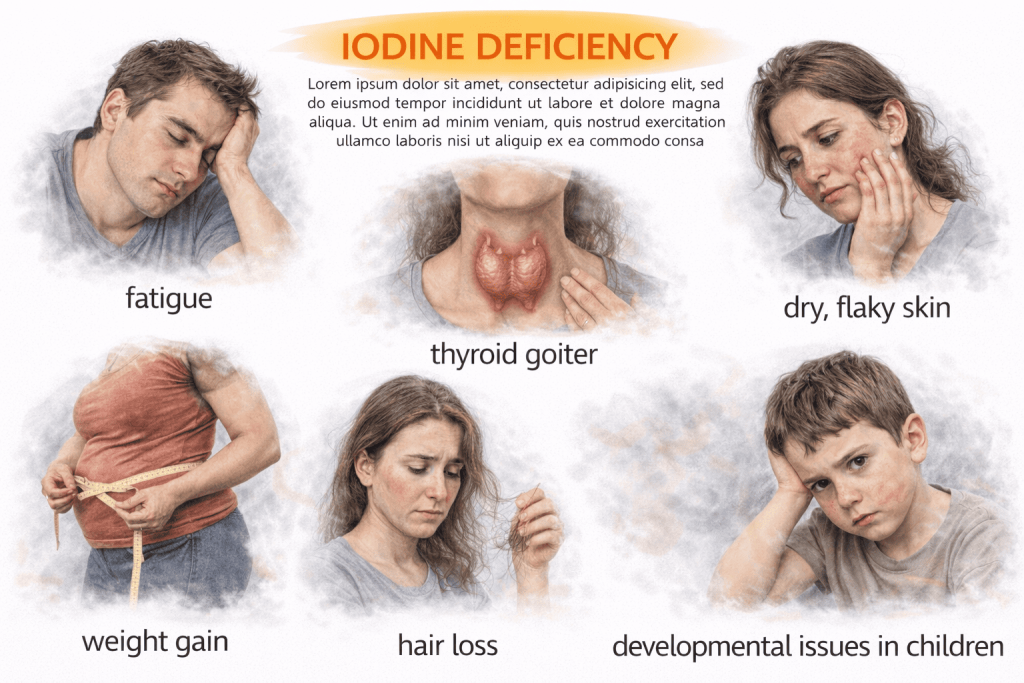
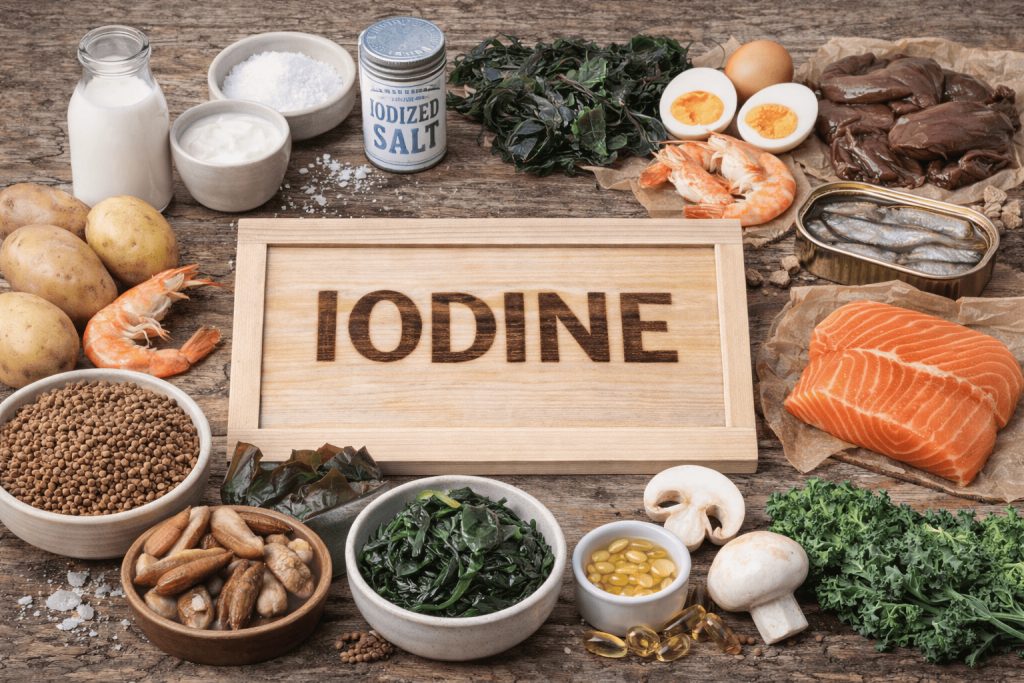
Iodine is essential for thyroid hormone production, which regulates metabolism.
Increase iodine intake through:
You can also read: Essential Vitamins and Minerals For Your Guide to a Healthier Life
Preventing nutrient deficiencies is easier than fixing them later. Follow these simple strategies:
Include a variety of:
Whole foods contain naturally occurring vitamins, minerals, and antioxidants that supplements often cannot replicate.
A healthy digestive system improves nutrient absorption.
Helpful habits include:
Vitamin deficiencies can quietly affect your energy levels, immune system, and overall health. The key to preventing them is a nutrient-rich diet, regular sunlight exposure, and healthy lifestyle habits.
By incorporating whole foods like leafy greens, fruits, nuts, seeds, and fish, you can naturally maintain optimal vitamin levels and support long-term wellness.
The most common vitamin deficiencies worldwide include Vitamin D, Vitamin B12, Iron (technically a mineral but often included), Vitamin C, Vitamin A, Vitamin B9 (Folate), Vitamin B6, Vitamin K, Vitamin E, and Vitamin B1 (Thiamine). These deficiencies often occur due to poor diet, limited sunlight, digestive issues, or certain health conditions.
You can increase Vitamin D naturally by getting regular sunlight exposure (15–30 minutes daily), eating fatty fish like salmon and sardines, consuming egg yolks, mushrooms, and fortified dairy products.
Vitamin B12 deficiency is often caused by a lack of animal-based foods, digestive disorders, aging, or poor absorption. Vegetarians and vegans are at higher risk because B12 is mainly found in animal products.
Common signs of iron deficiency include fatigue, pale skin, dizziness, shortness of breath, brittle nails, and headaches. A blood test is the best way to confirm low iron levels.
Yes, many vitamin deficiencies can be corrected through a balanced diet rich in fruits, vegetables, whole grains, nuts, seeds, and lean proteins. However, severe deficiencies may require supplements under medical supervision.

Vitamin D is one of the most important nutrients for maintaining strong bones, a healthy immune system, and proper muscle function. Often called the “sunshine…
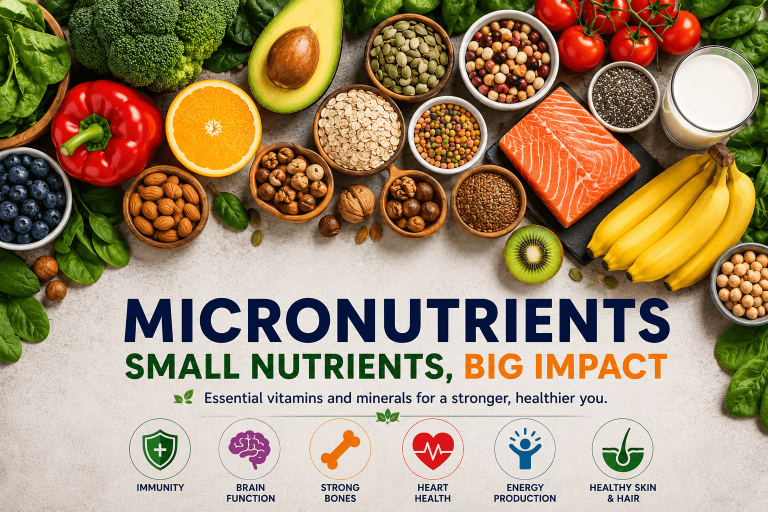
The human body needs a wide range of nutrients to function properly, and among the most important are essential vitamins and minerals. These nutrients, also…