Essential Vitamins and Minerals: Your Guide to a Healthier Life
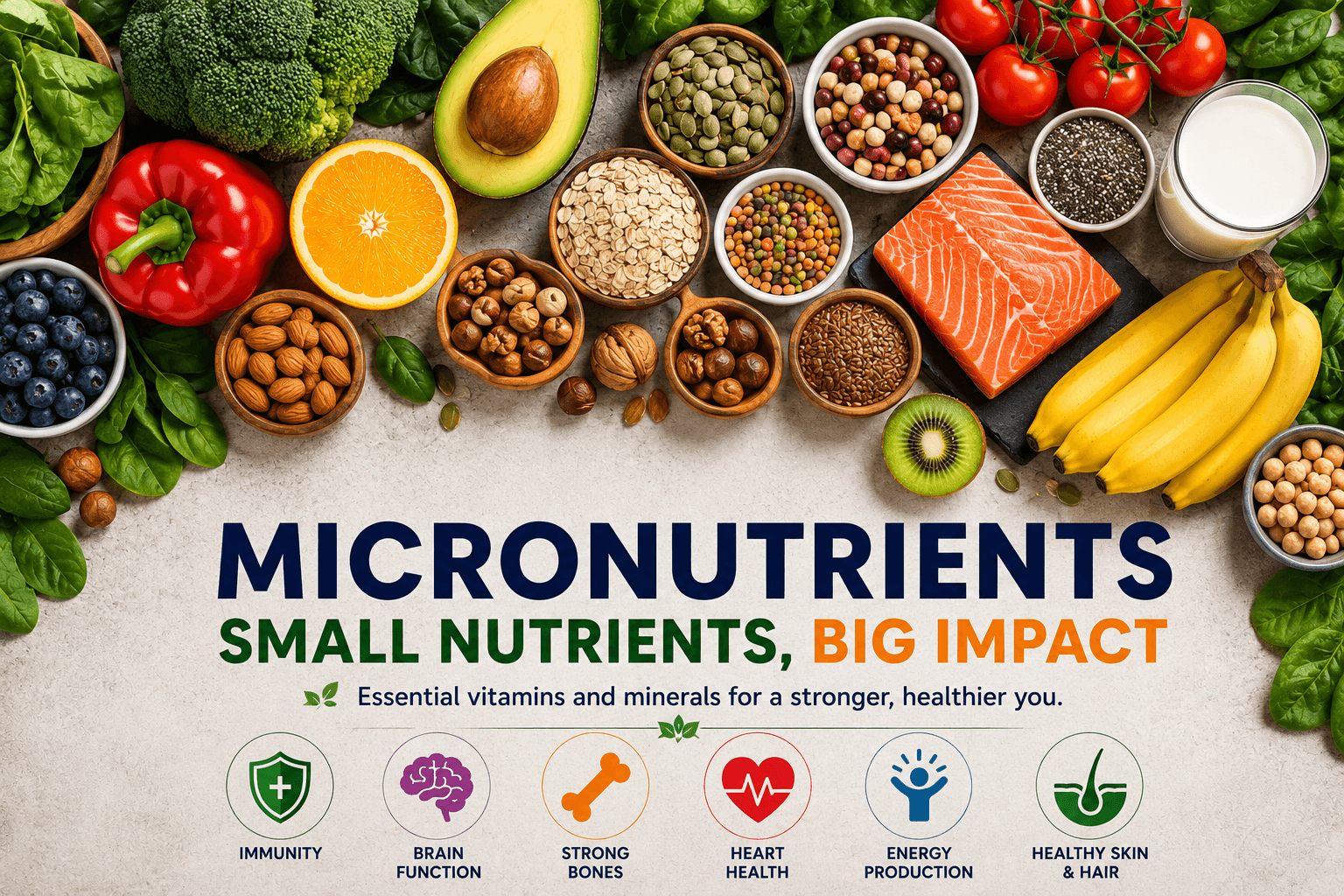
The human body needs a wide range of nutrients to function properly, and among the most important are essential vitamins and minerals. These nutrients, also known as micronutrients, are required in small amounts but play a massive role in maintaining health, supporting immunity, boosting energy, and preventing diseases.
Unlike macronutrients such as carbohydrates, proteins, and fats, micronutrients do not provide calories. However, they are crucial for processes like metabolism, cell repair, hormone production, and immune defense.
This micronutrients guide will explain the key essential vitamins and minerals, their benefits, food sources, and how to ensure your body gets enough of them through a balanced diet.
What Are Micronutrients?
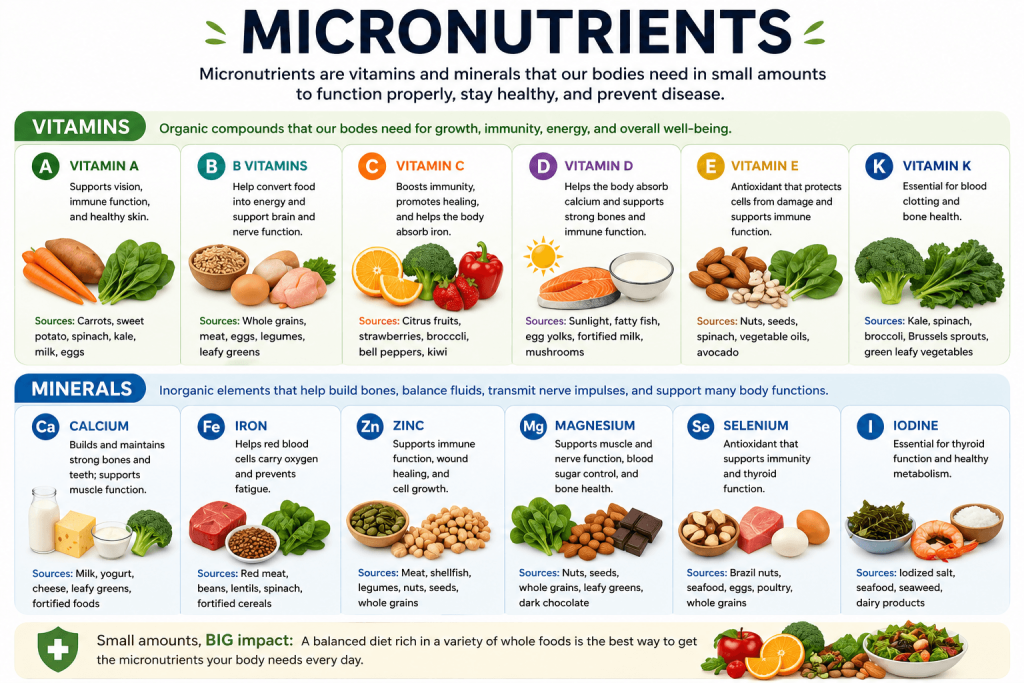
Micronutrients are essential nutrients that the body requires in very small amounts, yet they play a critical role in maintaining overall health, supporting growth, and regulating vital bodily functions. They include vitamins (organic compounds such as vitamin A, C, D, E, K, and the B-complex group) and minerals (inorganic elements like calcium, iron, zinc, magnesium, and iodine), each contributing to different processes that keep the body functioning properly.
Unlike macronutrients, micronutrients do not provide energy (calories), but they are vital because they help the body convert food into usable energy and support important biological activities. These include strengthening the immune system, aiding brain function, producing hormones and enzymes, transporting oxygen in the blood, and maintaining healthy bones, skin, and cells. Without sufficient micronutrients, these processes cannot work efficiently.
Since the body cannot produce most micronutrients in adequate amounts, they must be obtained through a balanced diet that includes a variety of nutrient-rich foods such as fruits, vegetables, whole grains, lean proteins, and dairy or fortified alternatives. A lack of these nutrients over time can lead to deficiencies, which may result in health problems like anemia, weakened immunity, poor growth, and an increased risk of chronic diseases.
They are divided into two main categories:
- Vitamins
- Minerals
These nutrients help regulate many bodily processes, including:
- Energy production
- Immune system function
- Bone development
- Brain health
- Red blood cell formation
Without adequate intake of essential vitamins and minerals, the body may develop deficiencies that can lead to fatigue, weakened immunity, poor bone health, and other health problems.
Essential Vitamins the Body Needs
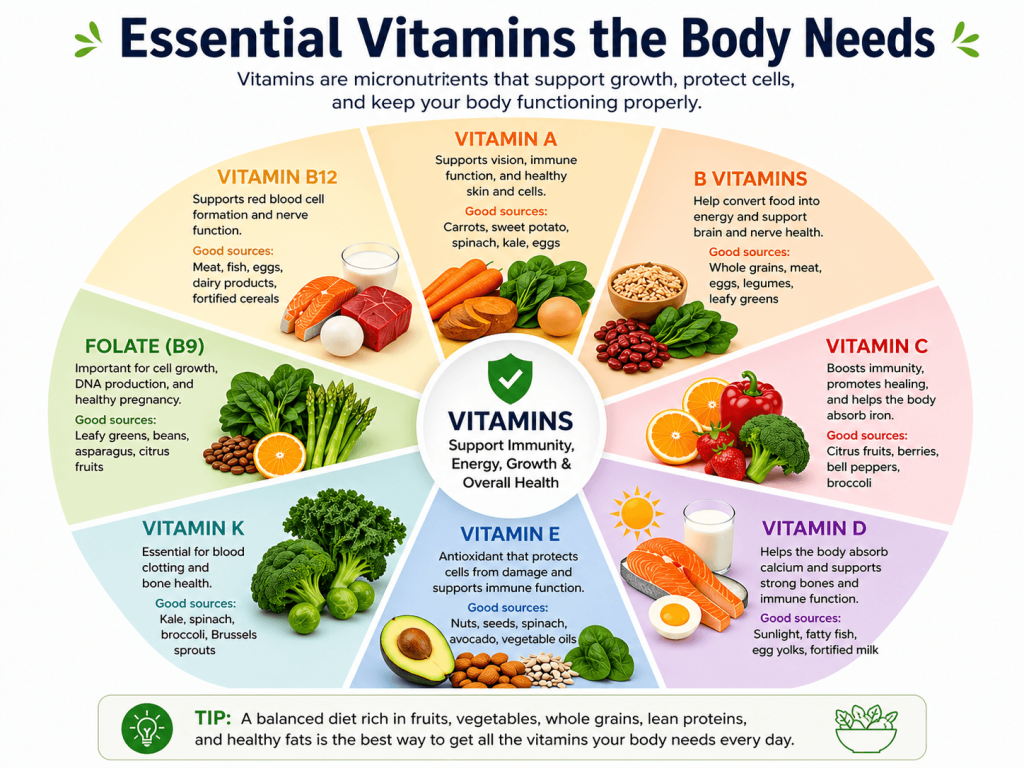
Essential vitamins are organic micronutrients that the body needs in small amounts to function properly, grow, and stay healthy. They are divided into fat-soluble vitamins (A, D, E, and K), which can be stored in the body, and water-soluble vitamins (vitamin C and B-complex), which need to be consumed regularly. Each vitamin has specific roles, such as supporting vision, immunity, and nutrient absorption.
Vitamins are important for key body processes, including energy production, brain function, red blood cell formation, and maintaining strong bones and skin. For example, vitamin D helps with calcium absorption, vitamin C boosts immunity, and B vitamins help convert food into energy.
Since the body cannot produce most vitamins, they must come from a balanced diet including fruits, vegetables, whole grains, and proteins. A lack of essential vitamins can lead to health problems like fatigue, weak immunity, and poor growth.
Vitamin A
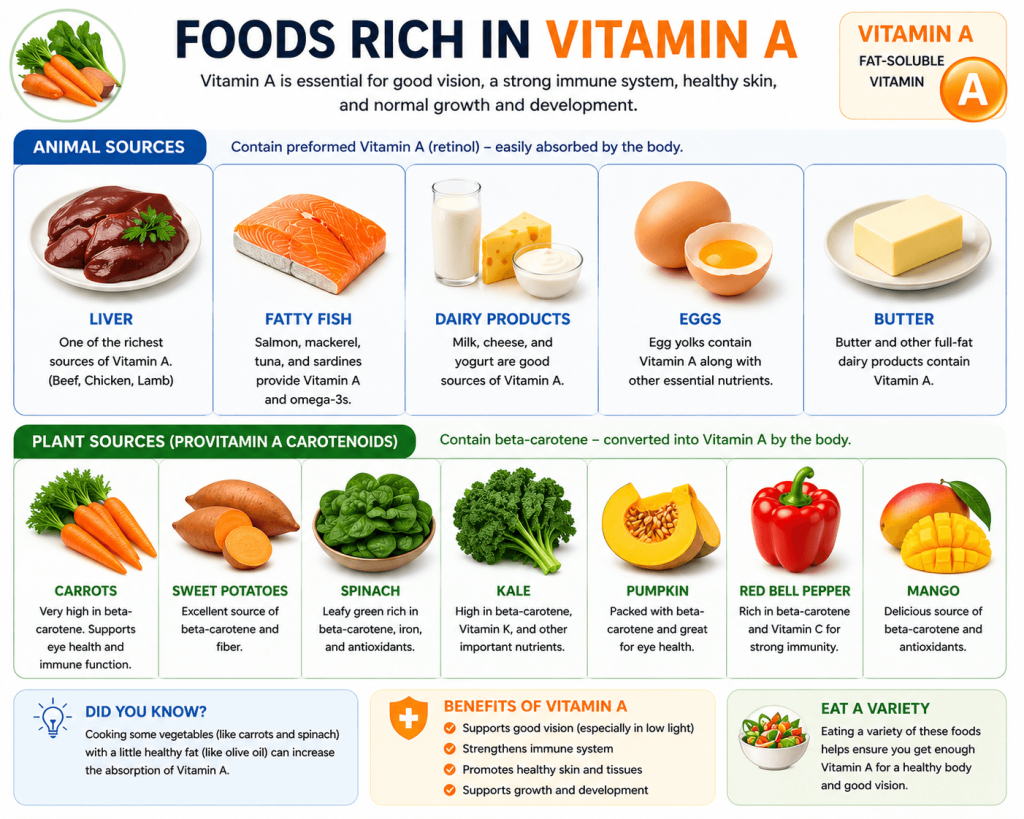
Vitamin A is a fat-soluble vitamin essential for good vision, a strong immune system, and healthy growth and development. It helps the eyes function properly, especially in low light, and supports the health of skin and body tissues that protect against infection. Vitamin A comes from animal sources like dairy and eggs (retinol) and plant sources like carrots and leafy greens (beta-carotene), which the body converts as needed; too little can cause night blindness and weak immunity, while too much can be harmful.
Benefits
- Supports healthy eyesight
- Boosts immune system
- Promotes healthy skin
Food Sources
- Carrots
- Sweet potatoes
- Spinach
- Mango
- Eggs
Vitamin B Complex
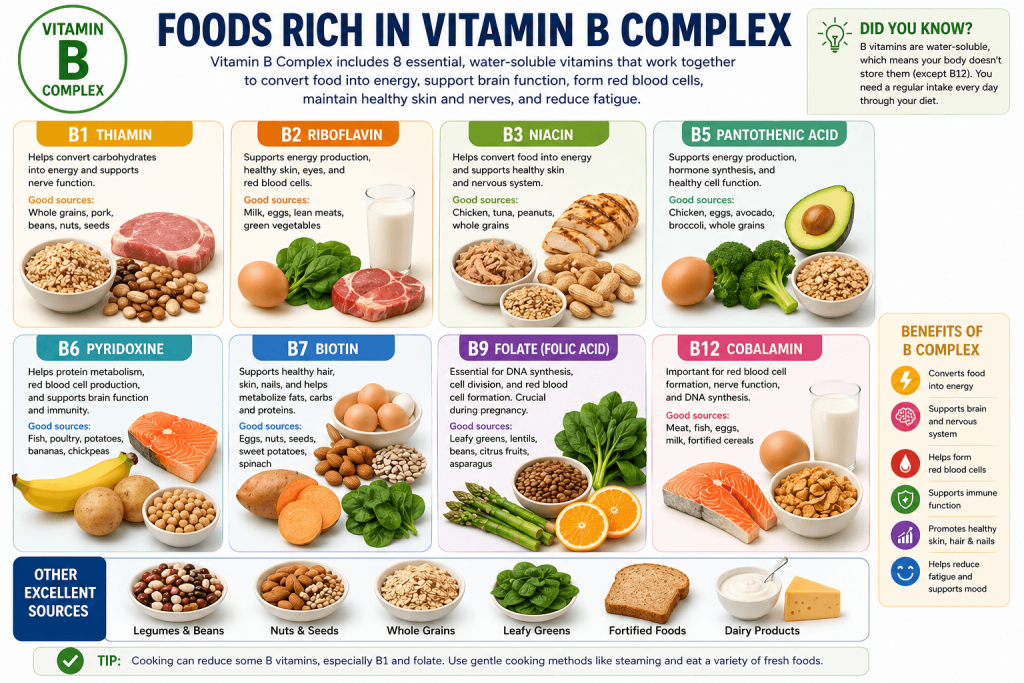
Vitamin B complex refers to a group of water-soluble vitamins—including B1 (thiamine), B2 (riboflavin), B3 (niacin), B5, B6, B7 (biotin), B9 (folate), and B12—that work together to support energy production, brain function, and red blood cell formation. These vitamins help the body convert food into energy, maintain a healthy nervous system, and support cell growth and repair. They are found in foods such as whole grains, meat, eggs, dairy, legumes, and leafy greens, and because they are not stored in large amounts, they need to be consumed regularly to prevent deficiencies like fatigue, anemia, and poor concentration.
Benefits
- Supports metabolism
- Helps produce red blood cells
- Improves brain and nervous system function
Food Sources
- Whole grains
- Lentils
- Eggs
- Milk
- Leafy green vegetables
Vitamin C
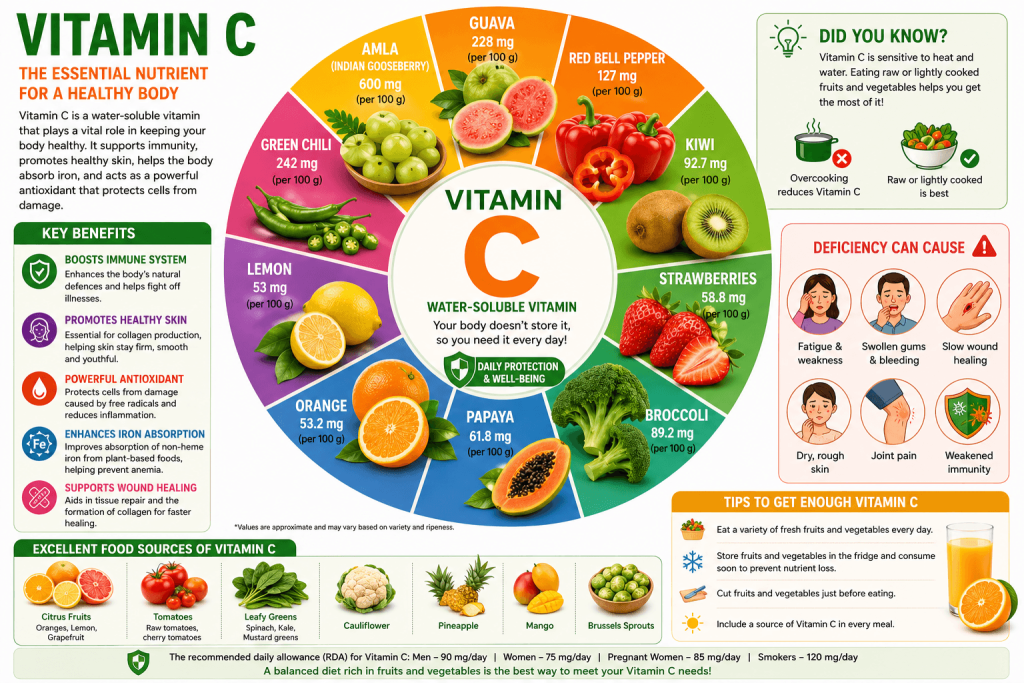
Vitamin C is a water-soluble vitamin that is essential for maintaining a strong immune system, promoting healthy skin, and supporting wound healing. It acts as a powerful antioxidant, helping to protect cells from damage, and plays a key role in the production of collagen, which is important for skin, blood vessels, and connective tissues. Vitamin C is commonly found in fruits and vegetables such as oranges, strawberries, kiwi, bell peppers, and broccoli; since the body cannot store it, it must be consumed regularly, as a deficiency can lead to fatigue, weakened immunity, and conditions like scurvy.
Benefits
- Strengthens the immune system
- Helps absorb iron
- Promotes healthy skin
Food Sources
- Oranges
- Lemon
- Amla (Indian gooseberry)
- Kiwi
- Bell peppers
Vitamin D
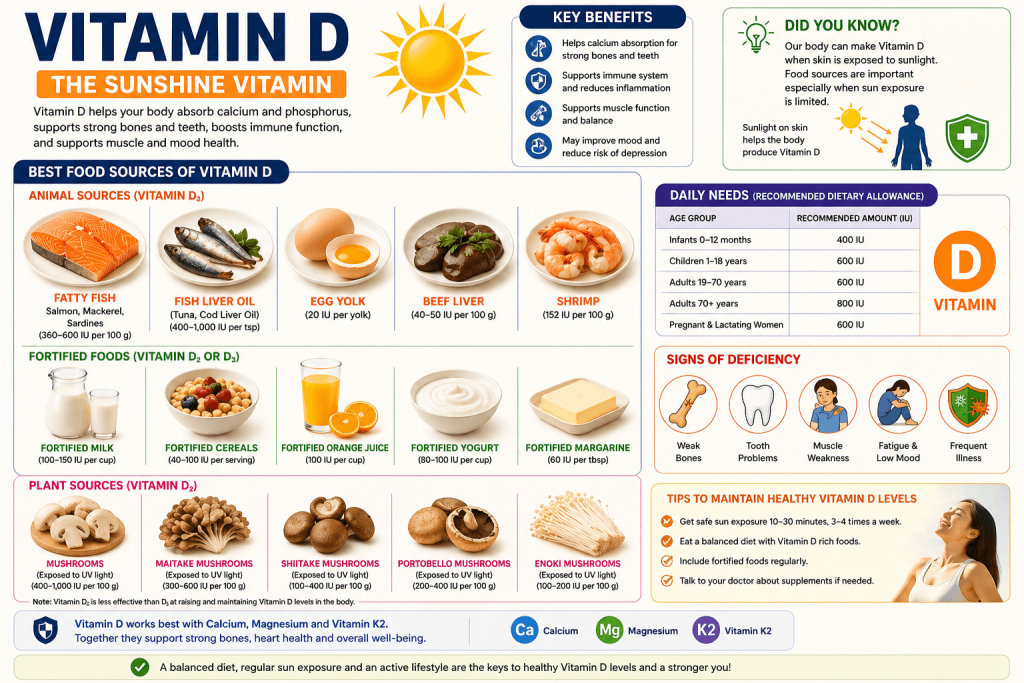
Vitamin D is a fat-soluble vitamin that is essential for strong bones and teeth, as it helps the body absorb calcium and phosphorus. It also supports the immune system and plays a role in muscle function and overall health. Unlike most vitamins, vitamin D can be produced by the body when the skin is exposed to sunlight, and it is also found in foods such as oily fish, eggs, and fortified products. A deficiency can lead to weak or soft bones, while maintaining adequate levels supports bone strength and overall wellbeing.
- Strengthens bones
- Supports immune function
- Improves mood and mental health
Sources
- Sunlight exposure
- Fatty fish
- Egg yolks
- Fortified milk
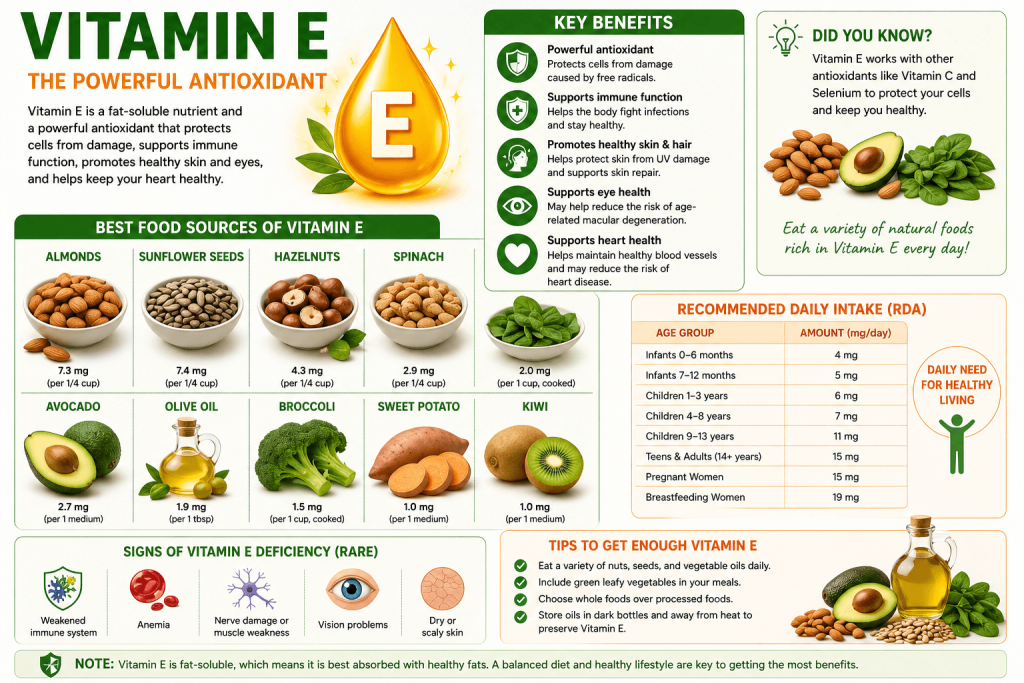
Vitamin E
Vitamin E is a fat-soluble vitamin that acts as a powerful antioxidant, helping to protect the body’s cells from damage caused by free radicals. It supports a healthy immune system, contributes to skin health, and plays a role in maintaining healthy eyes and blood vessels. Vitamin E is found in foods such as nuts, seeds, vegetable oils, and green leafy vegetables, and a deficiency—though rare—can lead to nerve and muscle damage, while adequate intake helps maintain overall health.
Benefits
- Supports skin health
- Protects cells from oxidative stress
- Promotes immune health
Food Sources
- Nuts
- Seeds
- Spinach
- Vegetable oils
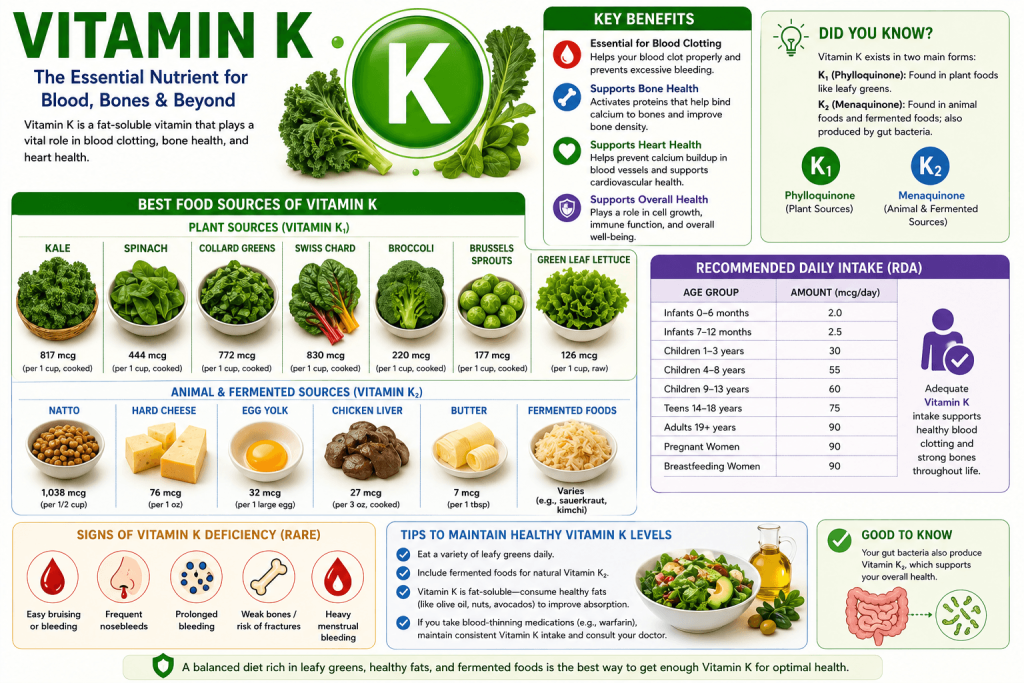
Vitamin K
Vitamin K is a fat-soluble vitamin that is essential for blood clotting and helps prevent excessive bleeding when injuries occur. It also plays an important role in maintaining strong bones by supporting the regulation of calcium in the body. Vitamin K is found in green leafy vegetables like spinach, kale, and broccoli, as well as in some animal products and fermented foods. A deficiency can lead to increased bleeding and weakened bone health, making it important to include enough vitamin K in a balanced diet.
Benefits
- Helps blood clot properly
- Supports strong bones
Food Sources
- Kale
- Broccoli
- Spinach
- Green leafy vegetables
Essential Minerals the Body Needs
Essential minerals are inorganic nutrients that the body needs in small amounts to support important functions like building strong bones, regulating fluids, and enabling muscle and nerve activity. They include macrominerals such as calcium and potassium, and trace minerals like iron and zinc, each with specific roles in maintaining health.
These minerals help with processes such as oxygen transport, immune support, and hormone production, and must be obtained through a balanced diet including foods like fruits, vegetables, grains, and proteins. A lack of essential minerals can lead to health problems such as fatigue, weak bones, and poor immunity.
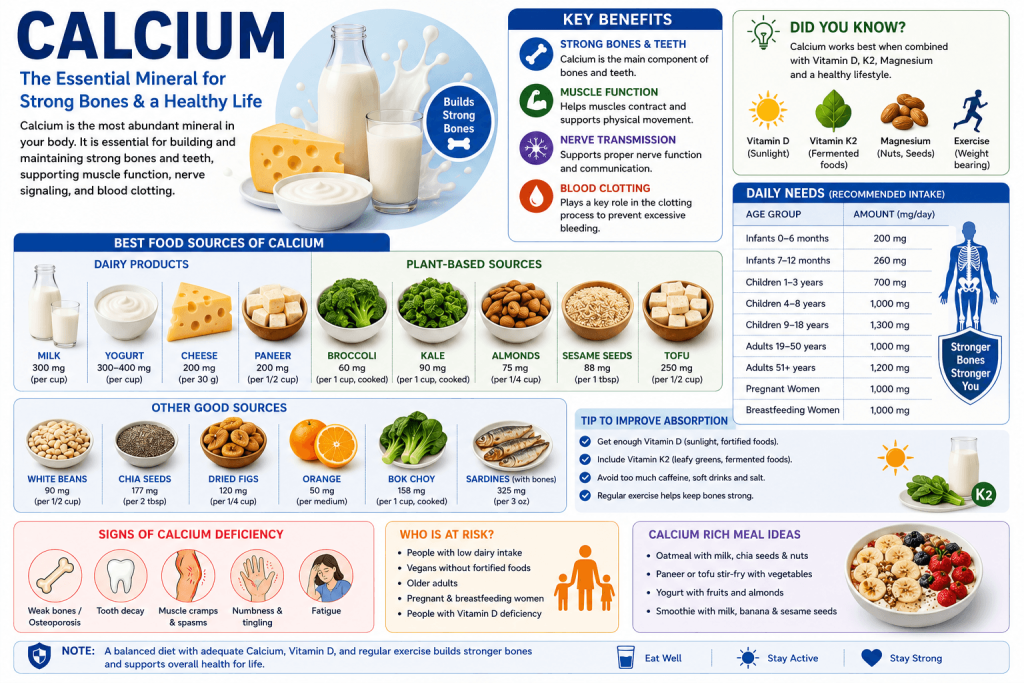
Calcium
Calcium is an essential mineral that is vital for building and maintaining strong bones and teeth, as well as supporting muscle function, nerve signaling, and blood clotting. It is the most abundant mineral in the body and is mainly stored in bones, where it helps keep them strong and healthy. Calcium is found in foods such as dairy products, leafy green vegetables, and fortified foods; a deficiency can lead to weak bones and conditions like osteoporosis, while adequate intake supports overall bone health and body function.
Benefits
- Strengthens bones
- Supports muscle function
- Helps nerve signaling
Food Sources
- Milk
- Yogurt
- Cheese
- Sesame seeds
- Leafy greens
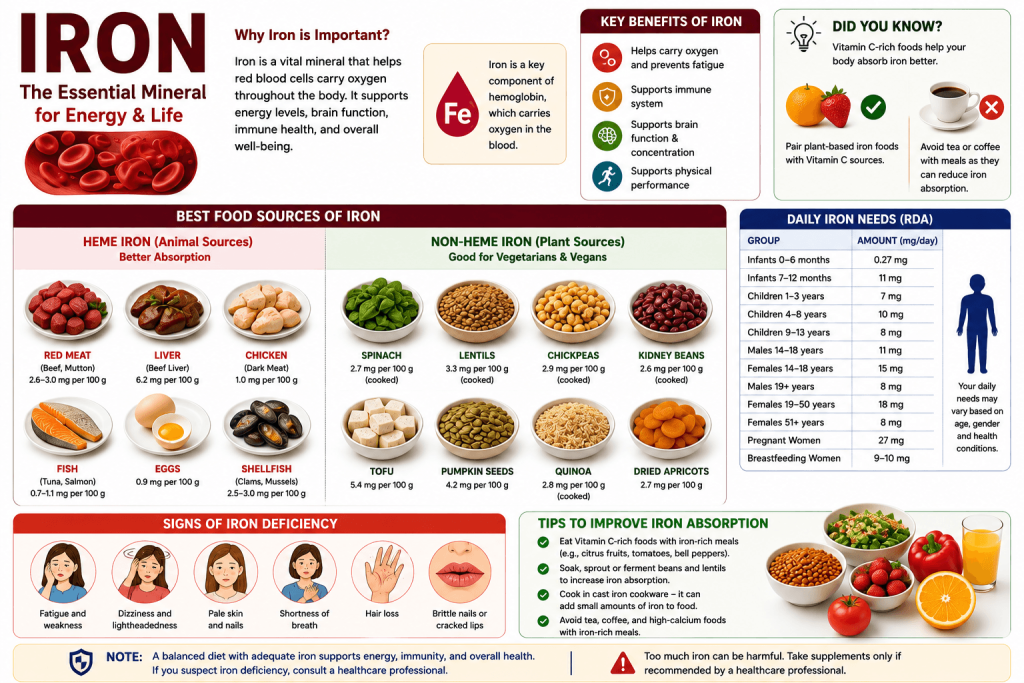
Iron
Iron is an essential trace mineral that plays a crucial role in making hemoglobin, the protein in red blood cells that carries oxygen throughout the body. It supports energy production, brain function, and a healthy immune system. Iron is found in foods such as red meat, beans, lentils, spinach, and fortified cereals; a deficiency can lead to anemia, causing fatigue, weakness, and pale skin, while adequate intake helps maintain energy levels and overall health.
Benefits
- Prevents anemia
- Boosts energy levels
- Supports brain function
Food Sources
- Spinach
- Lentils
- Red meat
- Chickpeas
- Pumpkin seeds
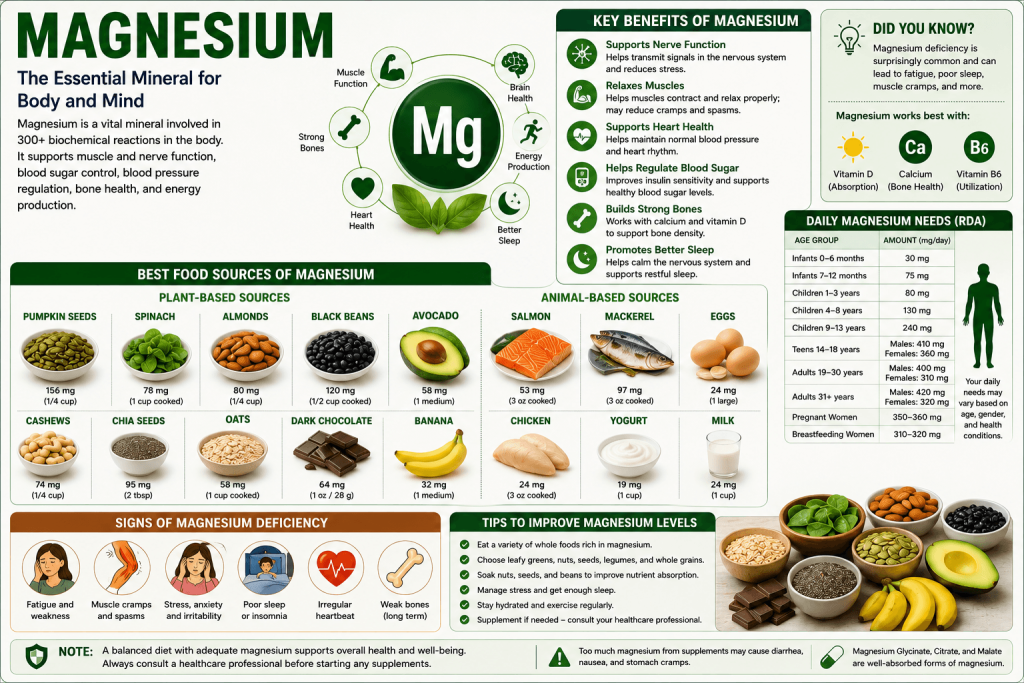
Magnesium
Magnesium is an essential mineral that supports many important functions in the body, including muscle and nerve function, energy production, and maintaining a healthy heartbeat. It also plays a key role in building strong bones and helping regulate blood sugar and blood pressure. Magnesium is found in foods such as nuts, seeds, whole grains, leafy green vegetables, and legumes; a deficiency can lead to muscle cramps, fatigue, and irregular heartbeat, while adequate intake supports overall health and body function.
Benefits
- Supports muscle and nerve function
- Regulates blood sugar
- Helps produce energy
Food Sources
- Nuts
- Seeds
- Whole grains
- Dark chocolate
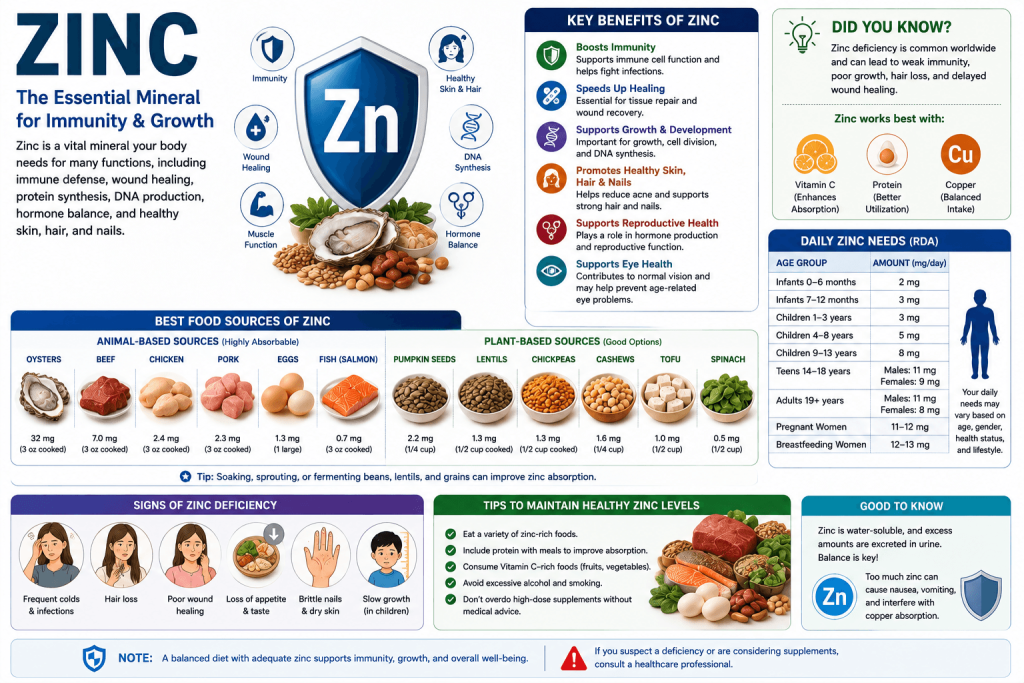
Zinc
Zinc is an essential trace mineral that plays a key role in supporting the immune system, aiding wound healing, and helping the body grow and develop properly. It is also important for cell division, protein production, and maintaining healthy skin, hair, and nails. Zinc is found in foods such as meat, shellfish, dairy products, nuts, seeds, and whole grains; a deficiency can lead to weakened immunity, slow wound healing, and poor growth, while adequate intake supports overall health.
Benefits
- Boosts immunity
- Supports cell growth
- Helps heal wounds
Food Sources
- Meat
- Seeds
- Beans
- Nuts
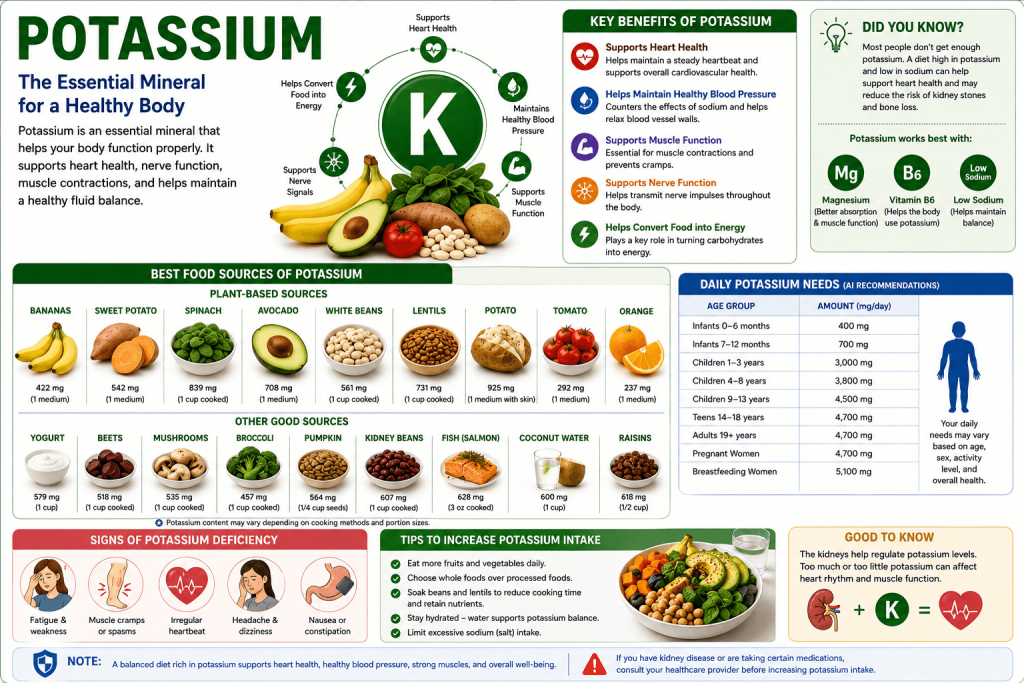
Potassium
Potassium is an essential mineral that helps regulate fluid balance, supports proper muscle contractions, and maintains healthy nerve function. It also plays a key role in keeping the heart beating regularly and helps control blood pressure. Potassium is found in foods such as bananas, potatoes, spinach, beans, and other fruits and vegetables; a deficiency can lead to muscle weakness, cramps, and irregular heartbeat, while adequate intake supports overall health and normal body function.
Benefits
- Regulates blood pressure
- Supports muscle function
- Maintains electrolyte balance
Food Sources
- Bananas
- Potatoes
- Coconut water
- Beans
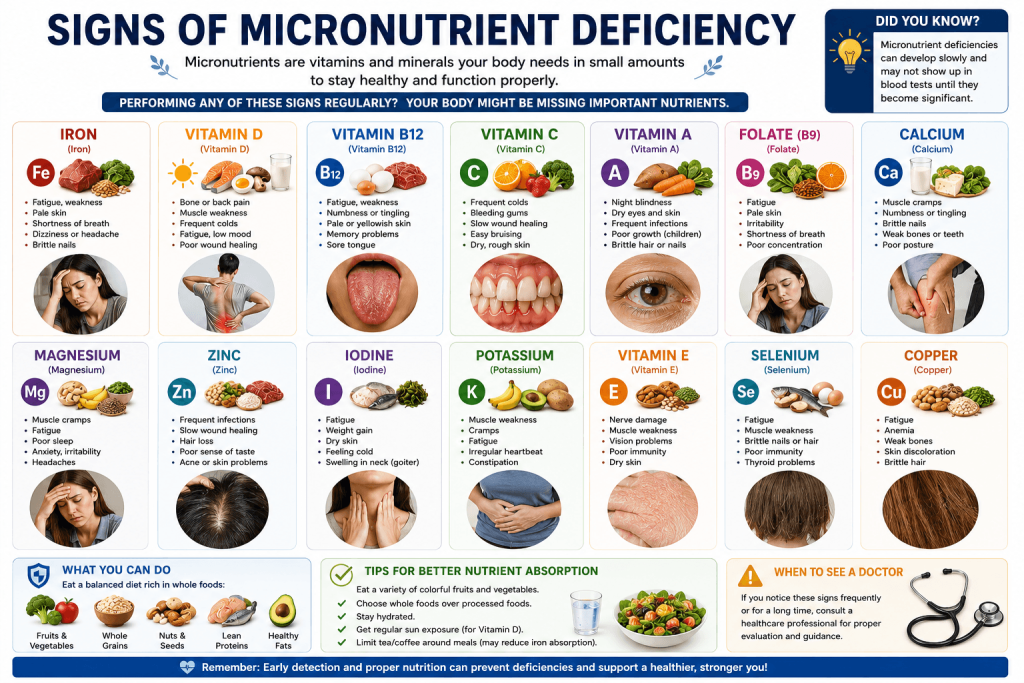
Signs of Micronutrient Deficiency
Signs of micronutrient deficiency often include fatigue, weakness, frequent illness, and difficulty concentrating, as the body lacks essential nutrients to function properly. Physical symptoms may include pale or dry skin, brittle hair and nails, mouth ulcers, and slow wound healing. If not addressed, deficiencies can lead to more serious problems like anemia, weak bones, and poor overall health.
Common signs include:
- Constant fatigue
- Weak immune system
- Hair loss
- Poor concentration
- Bone weakness
- Pale skin
If these symptoms persist, improving diet quality or consulting a healthcare professional may be necessary.
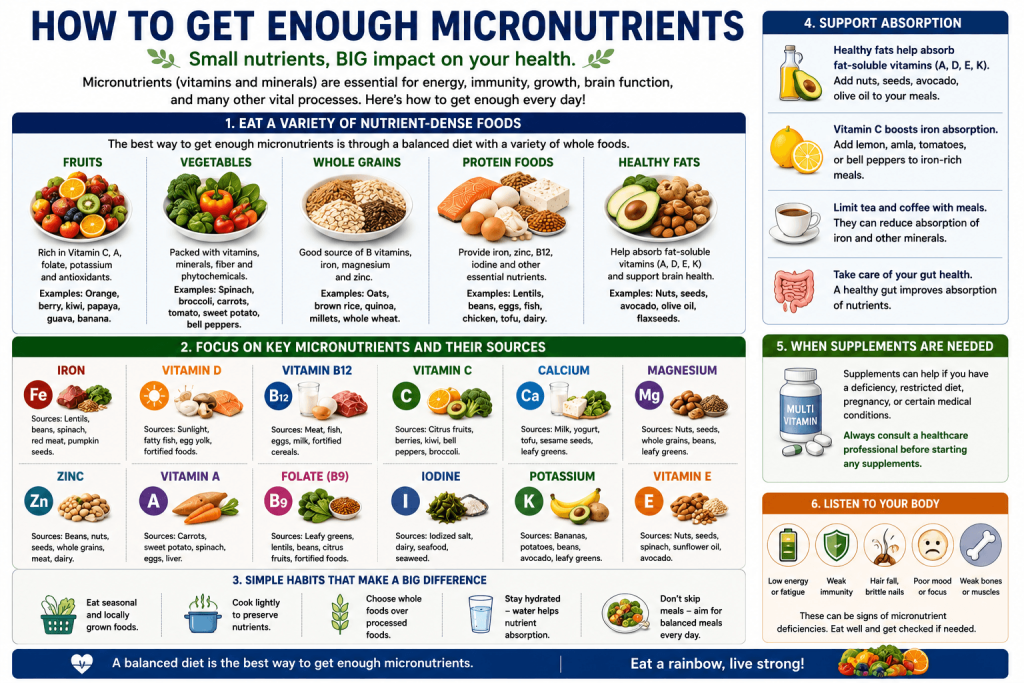
How to Get Enough Micronutrients
To get enough micronutrients, it’s important to eat a balanced and varied diet that includes plenty of fruits and vegetables, whole grains, lean proteins, and dairy or fortified alternatives. Different foods provide different vitamins and minerals, so eating a wide range of colorful foods helps ensure your body gets everything it needs.
Including nutrient-rich foods such as leafy greens, nuts, seeds, fish, eggs, and legumes can help meet daily requirements, while limiting highly processed foods improves overall nutrient intake. In some cases, supplements may be helpful, but they should only be used when necessary and ideally under professional guidance.
Tips to improve micronutrient intake
- Eat a variety of fruits and vegetables
- Include whole grains in daily meals
- Add nuts and seeds to snacks
- Consume dairy or plant-based calcium sources
- Include protein sources like lentils, beans, eggs, or fish
A colorful plate of foods usually indicates a wide range of vitamins and minerals.
FAQs
What are essential vitamins and minerals?
Essential vitamins and minerals are micronutrients that the body needs to perform critical functions such as metabolism, immunity, and bone health.
Why are micronutrients important?
Micronutrients support many bodily processes including energy production, immune defense, brain function, and growth.
Can you get all micronutrients from food?
Yes, most people can obtain enough essential vitamins and minerals by eating a balanced diet that includes fruits, vegetables, whole grains, protein, and healthy fats.
What happens if you lack micronutrients?
Micronutrient deficiencies can lead to fatigue, anemia, weak immunity, poor bone health, and other health issues.